
Real Support for Your Real Journey.
Whether you're just starting, restarting, or already on a GLP-1, this page is here to give you real answers, trusted tools, and practical support - so you can feel your best, protect what matters, and build a healthier you inside and out.
Looking for clinician-guided options? Start here →

Feeling awful isn't the goal.
You should still be able to eat, drink and have regular bowel movements. Constant nausea shouldn't be the price of using a GLP-1.
If you can barely eat or drink, or constipation or nausea won't let up, talk with your prescribing clinician.
More isn't always better. Find YOUR sweet spot.
Real answers for real questions.
Click a topic below to get practical tips, what I do, and when to talk to your clinician.
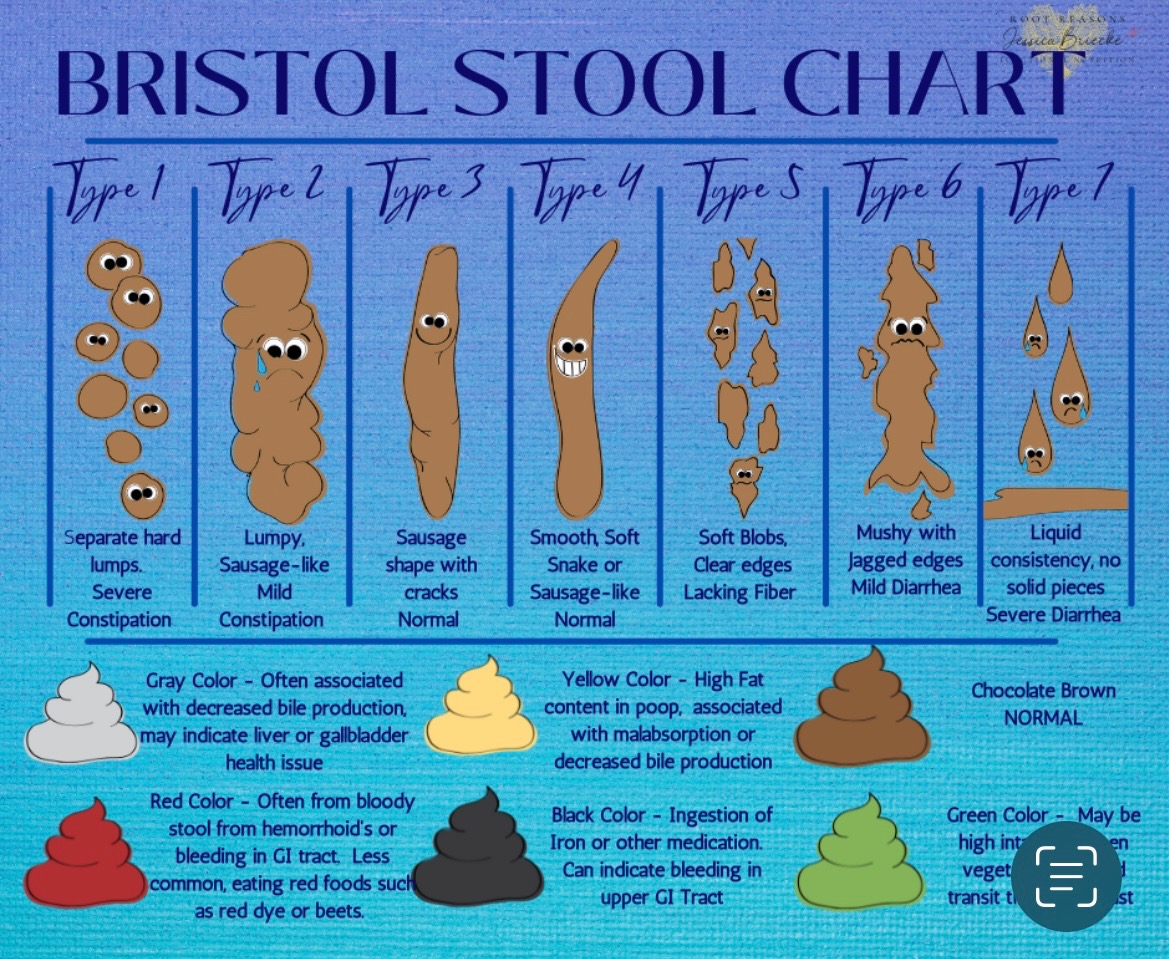
I can't poop.+
Pooping is not optional. "I've always only gone every few days" may be YOUR normal, but I don't consider that optimal.
In my wellness practice, I want 1-3 good bowel movements a day. Not pellets. Not straining. Good poops. Every day.
Drainage matters. Your bowels are one of the body's major routes out. If things aren't moving, I want that addressed - not ignored.
Fiber: aim for 25-35 g a day. Soluble fiber (oats, chia, flax, beans, apples) and insoluble fiber (greens, veggie skins, nuts).
Fluids: aim for half your body weight in ounces of water a day, with a minimum of about 100 oz.
I'm not hungry at all. Is that normal?+
The goal is NOT to eliminate your appetite. It's to restore a healthier relationship with hunger, fullness, and food.
We WANT your body to signal when you're hungry and when you've had enough. What we want to quiet is the constant food noise—the pantry calling your name, thinking about your next meal before you've finished the last, obsessing over what you should or shouldn't eat, and the guilt that can follow.
Appetite regulation, not appetite elimination. That's the goal.
If you're never hungry, struggling to eat enough, or having to force yourself to eat, your dose may be too high for your body's current needs.
In the meantime:
- Eat small, nutrient-dense meals regularly rather than waiting for hunger.
- Prioritize protein to help preserve muscle.
- Stay hydrated, even when you aren't thirsty.
- Pay attention to fatigue, weakness, dizziness, or rapid weight loss.
More suppression doesn't mean better results. Talk with your prescribing clinician about whether your dose needs adjusting, especially if you're consistently unable to eat enough.
The goal is to nourish your body, recognize normal hunger and fullness cues, and enjoy food without it consuming your thoughts.
I can't get enough protein.+
You already know protein matters. But what if a giant plate of food sounds awful?
Make what you eat count: Greek yogurt, cottage cheese, eggs, lean beef/turkey, cheese, protein smoothies/shakes, and smaller protein-forward meals/snacks.
WHAT I USE: ProMix Protein & Amare Collagen.
I'm exhausted. Is it my GLP-1?+
Before blaming the GLP-1, consider whether you're giving your body what it needs. A reduced appetite can mean you're unintentionally under-eating, under-hydrating, or missing important nutrients.
Here's where to start:
- Eat enough. Don't rely on hunger cues alone. Aim for regular, balanced meals, even if portions are smaller.
- Prioritize protein. Include a quality protein source at every meal to support muscle maintenance and recovery.
- Hydrate. Drink fluids consistently throughout the day. Electrolytes may be helpful if you're losing fluids, but aren't necessary for everyone.
- Protect your sleep. Aim for 7–9 hours and give your body adequate recovery time.
- Evaluate your pace of weight loss. Rapid weight loss or consistently eating too little can leave you depleted.
- Review your dose. If exhaustion began after a dose increase, your current dose may be more than your body is tolerating. Discuss adjusting your plan with your prescriber.
And don't ignore persistent fatigue. If you're doing these things and still exhausted, talk with your healthcare provider about evaluating other possible causes, including thyroid function, anemia, and nutrient deficiencies.
The goal isn't just to lose weight. It's to feel better while doing it.
I'm nauseous. Is this normal?+
Nausea isn't proof that it's working. Living nauseous is NOT the goal.
Look at meal size, rich or heavy foods, eating speed, long stretches without food, hydration, constipation, and whether symptoms started or worsened after a dose increase.
Nausea can also be a signal that your current dose is more than your body is tolerating right now. More isn't always better, and there's no prize for rushing to a higher dose.
Talk with your prescribing clinician about your symptoms before increasing your dose. You may need more time at your current dose or an adjustment to your treatment plan.
The goal is to support your health, not feel miserable along the way.
I have heartburn. What can I do?+
One of my biggest frustrations in digestive health is how quickly heartburn and GERD are treated as simply having too much stomach acid.
In my work as a Functional Nutritionist, I challenge that assumption. Low stomach acid, sluggish digestion, impaired motility, liver health, and bile flow are all areas I believe deserve consideration when looking at the bigger digestive picture.
Suppressing acid may relieve symptoms, but symptom relief and identifying the underlying cause are not always the same thing.
GLP-1s can also slow gastric emptying, making reflux more noticeable.
Here's where to start:
- Eat smaller meals and chew thoroughly.
- Avoid lying down for 2–3 hours after eating.
- Pay attention to rich, heavy foods and personal triggers.
- Address constipation and support regular digestion.
- If symptoms started or worsened after a dose increase, discuss your dose with your prescribing clinician.
Want to explore additional digestive support?
Check out my Liver & Gallbladder Support Kit linked further down this page. Bile continues to play an important role in digestion even if you no longer have your gallbladder.
Use code JessB10 for 10% off your first and all future orders.
You can also explore my Coffee Enema Guide on the Learn page, where I discuss the practice from a functional wellness perspective, including its proposed role in supporting bile flow and important safety considerations.
Persistent reflux deserves a proper evaluation. Don't assume the cause without investigating it, and don't discontinue prescribed acid-suppressing treatment without discussing it with your clinician.
I don't know how to work out.+
You don't need to become a gym person or do a two-hour workout. Consistency matters. Walk, move after meals, take stairs, get outside and add resistance/strength work.
WHAT I ACTUALLY DO: I've used CaliFit Studio workouts for a long time. Free YouTube workouts with Jenna Collins - about 20 minutes each and a real challenge.
She has a 28-day challenge and a 21-day challenge - a great way to keep you inspired to do it daily and actually create a habit. They travel with you everywhere on your phone or laptop, so no excuse not to do it. The only equipment you must have is your own body.
CaliFit Studio with Jenna Collins - free, ~20-min workouts and challenges. Just your bodyweight.
Start moving →The scale isn't moving.+
Plateaus are normal as your body adjusts. Check that you're eating enough and that the foundations are in place.
Look at clothes, measurements, photos, strength, energy and trends over time - not just daily scale fluctuations.
Track more than the number. Body composition scales aren't a lab-perfect read on your true metrics - but they're a reasonably accurate way to follow the trend over time. And the trend tells the real story. I use a Renpho to keep an eye on muscle, water and body fat as things shift.
Am I losing muscle?+
The goal isn't just to lose weight. It's to lose fat while doing everything reasonably possible to preserve muscle, strength, and function.
Some loss of lean mass is common during weight loss, whether you're using a GLP-1 or not. But how much muscle you preserve is something you can actively influence.
Protein and strength training are key. Aim for approximately 0.7–1 gram of protein per pound of goal body weight daily, adjusted for your individual needs, and spread it throughout the day.
Exercise is crucial, especially resistance training. Your muscles need to be challenged to maintain strength and function. Walking and daily movement are valuable, but strength training is particularly important for preserving muscle.
Remember, the number on the scale is only one piece of the picture. The goal is to lose fat while preserving as much muscle and strength as possible.
My hair is shedding. What's happening?+
Here's something important to understand: When your body is under stress, growing hair isn't a priority.
Your body is incredibly intelligent. When it's dealing with rapid weight loss, inadequate nutrition, hormonal changes, illness, or significant stress, it prioritizes essential functions over things like hair growth.
This can trigger a condition called telogen effluvium, where more hair follicles shift from the active growth phase into a resting phase. The shedding often doesn't show up until 2–3 months after the initial stress.
So what can you do?
- Eat enough! Significant calorie restriction can put additional stress on your body.
- Prioritize protein. Hair is primarily made of protein, and your body needs adequate protein for growth and repair.
- Pay attention to minerals and nutrients. Iron, zinc, vitamin D, and other nutrients play roles in healthy hair growth. Identify and correct deficiencies rather than supplementing blindly.
- Evaluate your pace of weight loss. Faster isn't always better.
- Support recovery. Sleep, stress management, and adequate nourishment are essential.
- Look at your hormones and thyroid. If shedding is significant or persistent, discuss appropriate lab work with your healthcare provider.
And remember, more GLP-1 isn't always better. If your appetite is so suppressed that you can't adequately nourish your body, it's time to discuss your dose with your prescribing clinician.
The good news? Stress-related hair shedding is often temporary. Once the underlying stressors are addressed, your hair growth cycle can recover, although it takes time.
Your body needs to feel supported, not depleted. The goal is better health, not simply faster weight loss.
I feel dizzy / lightheaded.+
Don't just push through this. Check hydration, mineral/electrolyte intake, meal frequency, and discuss with your prescribing clinician.
I'm at goal. Now what?+
Reaching your goal weight isn't the finish line. It's the beginning of a new phase, and maintenance looks different for everyone.
Some people may no longer need GLP-1 support, while others may benefit from continuing long-term. There's no one-size-fits-all approach, and you have permission to do what's right for YOUR body.
Have a thoughtful conversation with your prescribing clinician about your options. If you're considering reducing or discontinuing your GLP-1, develop a plan together. A gradual step-down may be appropriate for some, while others may follow a different approach.
One thing that doesn't change? Your foundations. Protein, strength training, movement, hydration, sleep, and proper nutrition remain priorities regardless of whether you continue GLP-1 support.
Remember, staying on a GLP-1 isn't failure, and coming off isn't a badge of honor.
This is YOUR journey. Give yourself permission to use the tools your body needs, for as long as you need them.
My GLP-1 Wellness Essentials
Whether you're considering a GLP-1 or already on your journey, the foundations of good health don't change.
Protein, hydration, minerals, movement, and muscle preservation all play important roles in supporting your body.
These are some of the products and tools I personally use and recommend to help support those foundations. Because it's not just about losing weight — it's about taking care of your body along the way.
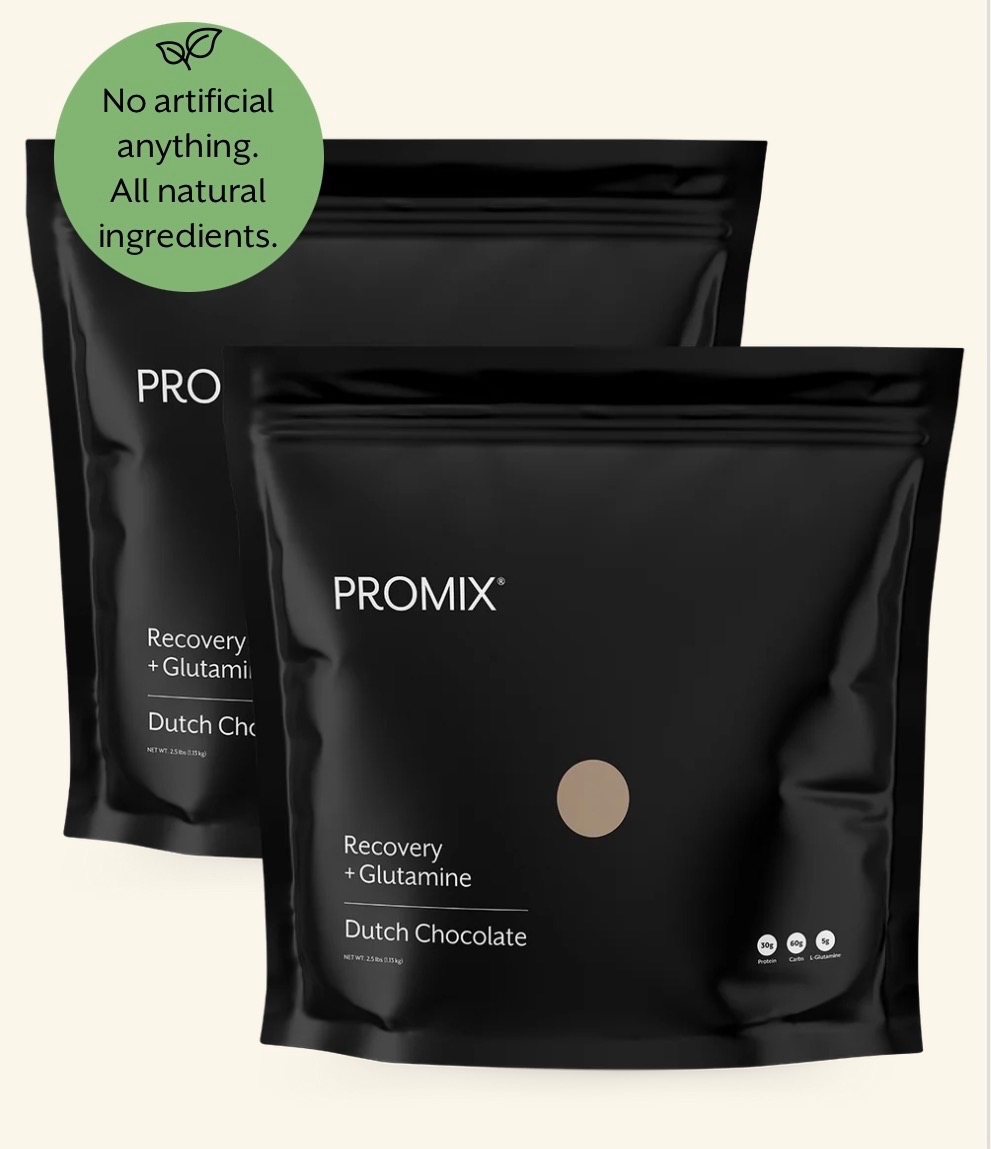
ProMix
Helping me meet my daily protein goals.
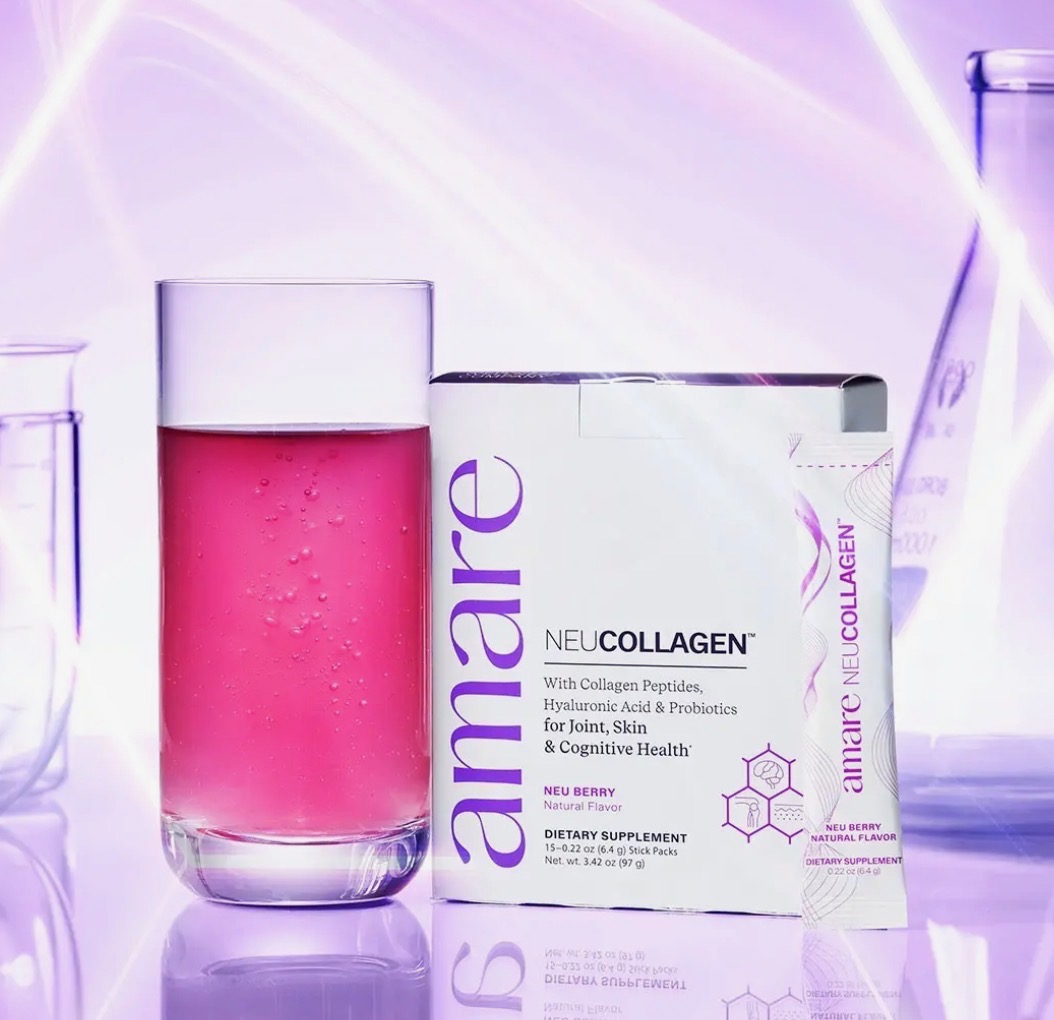
NeuCollagen
Collagen peptides, hyaluronic acid & probiotics supporting joint, muscle, bone, skin, hair, nail & cognitive health.
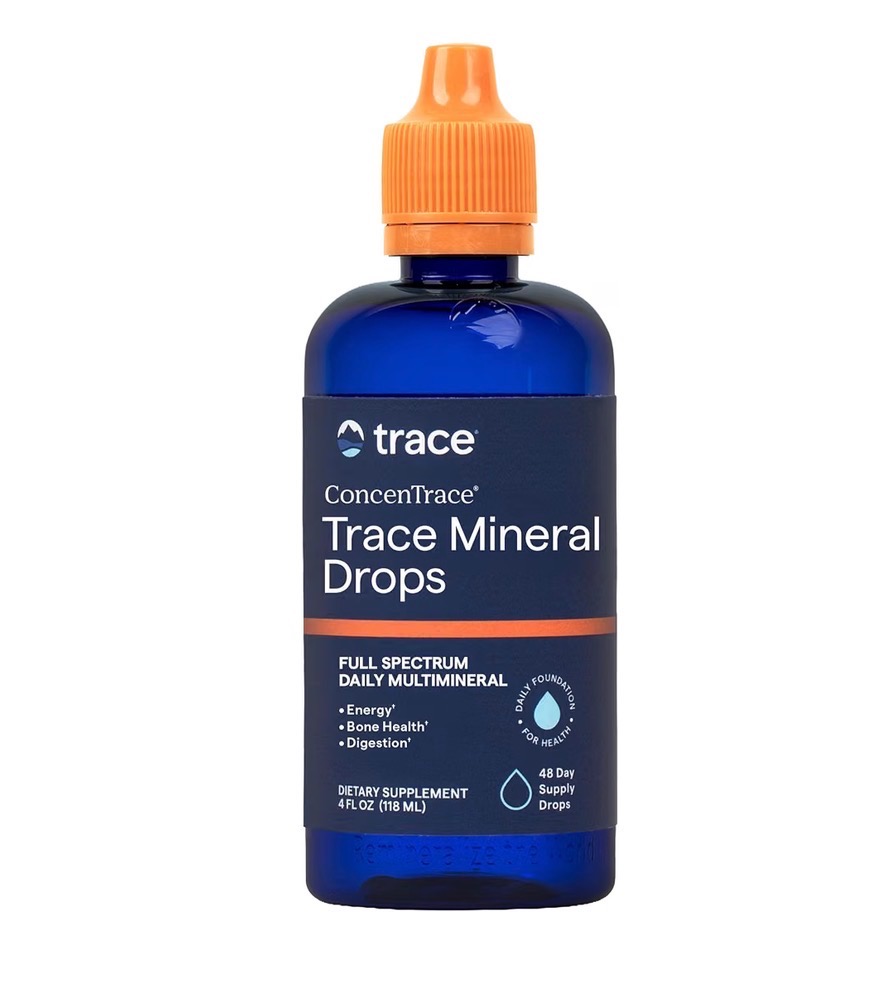
Trace Minerals
Electrolytes to support everyday hydration.
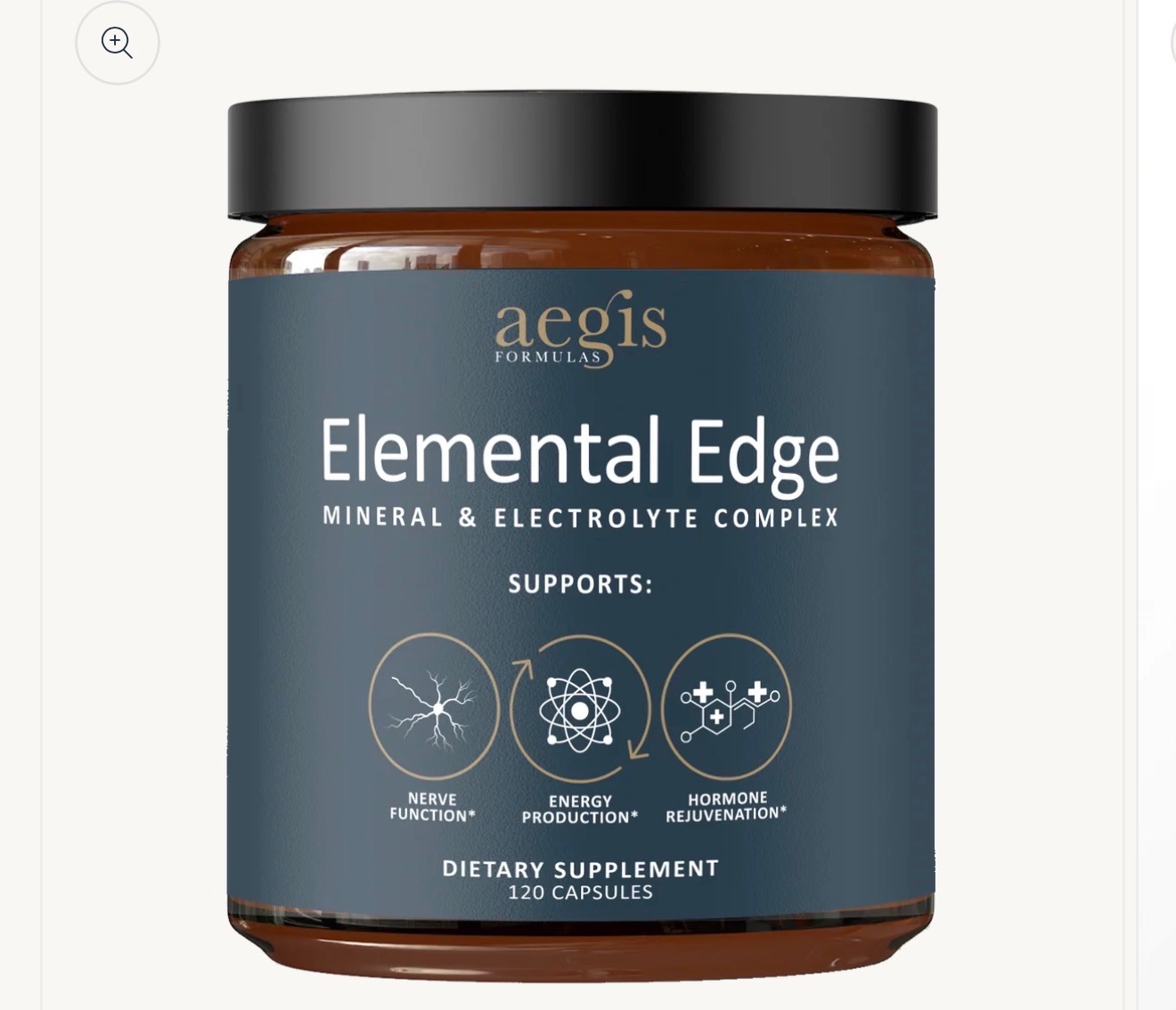
Elemental Edge
Targeted full-spectrum mineral support for my daily routine.
10% off first order & every order after
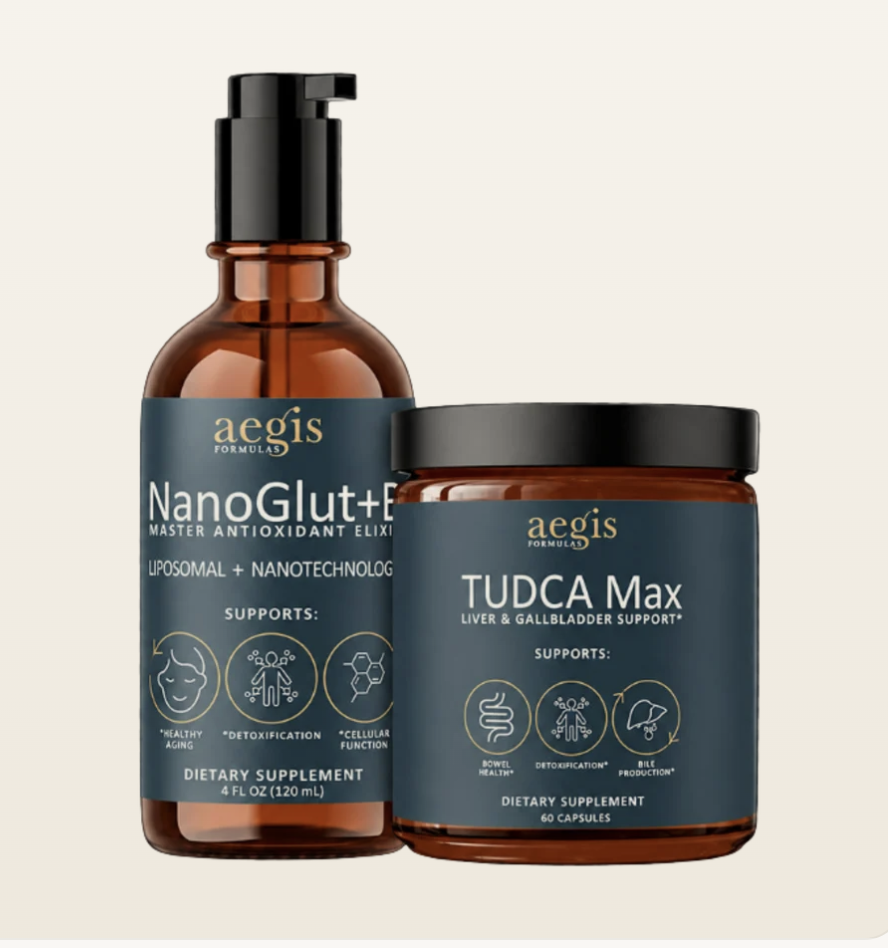
Liver & Gallbladder Support Kit
TUDCA Max & NanoGlut+B
Targeted liver and gallbladder support with TUDCA Max & NanoGlut+B to aid digestion and natural drainage pathways.
10% off first order & every order after
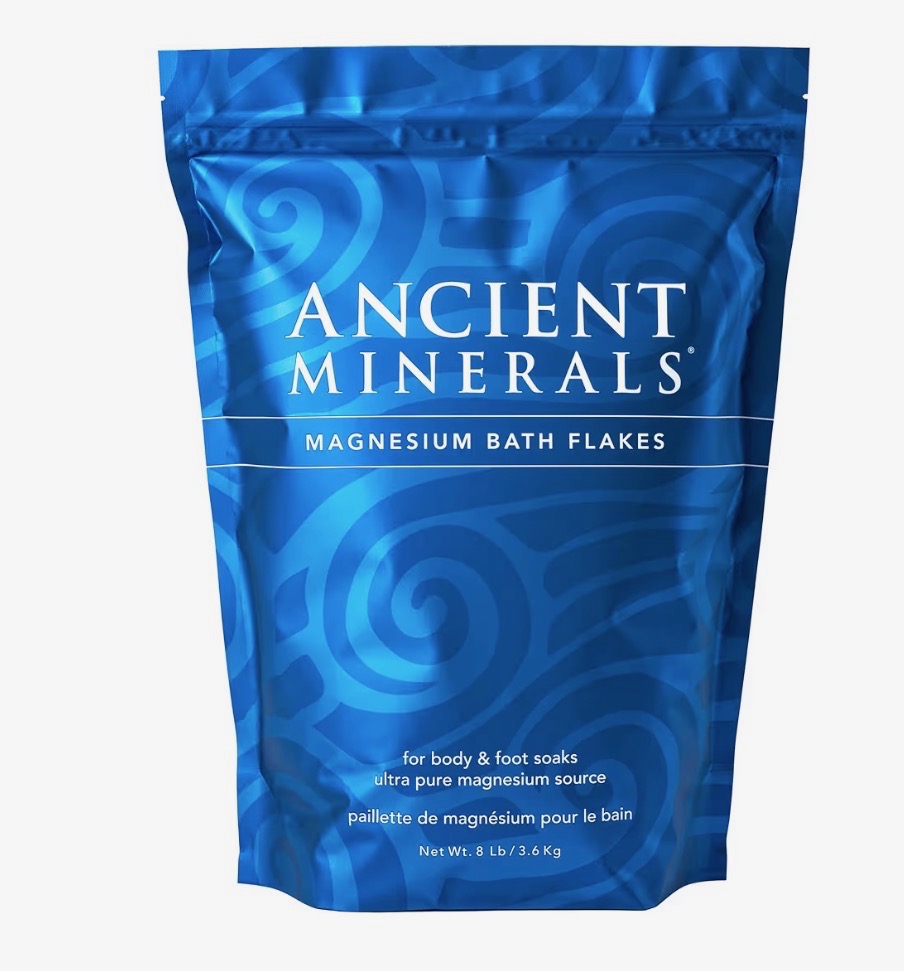
Ancient Minerals
My go-to magnesium flakes bath for winding down.
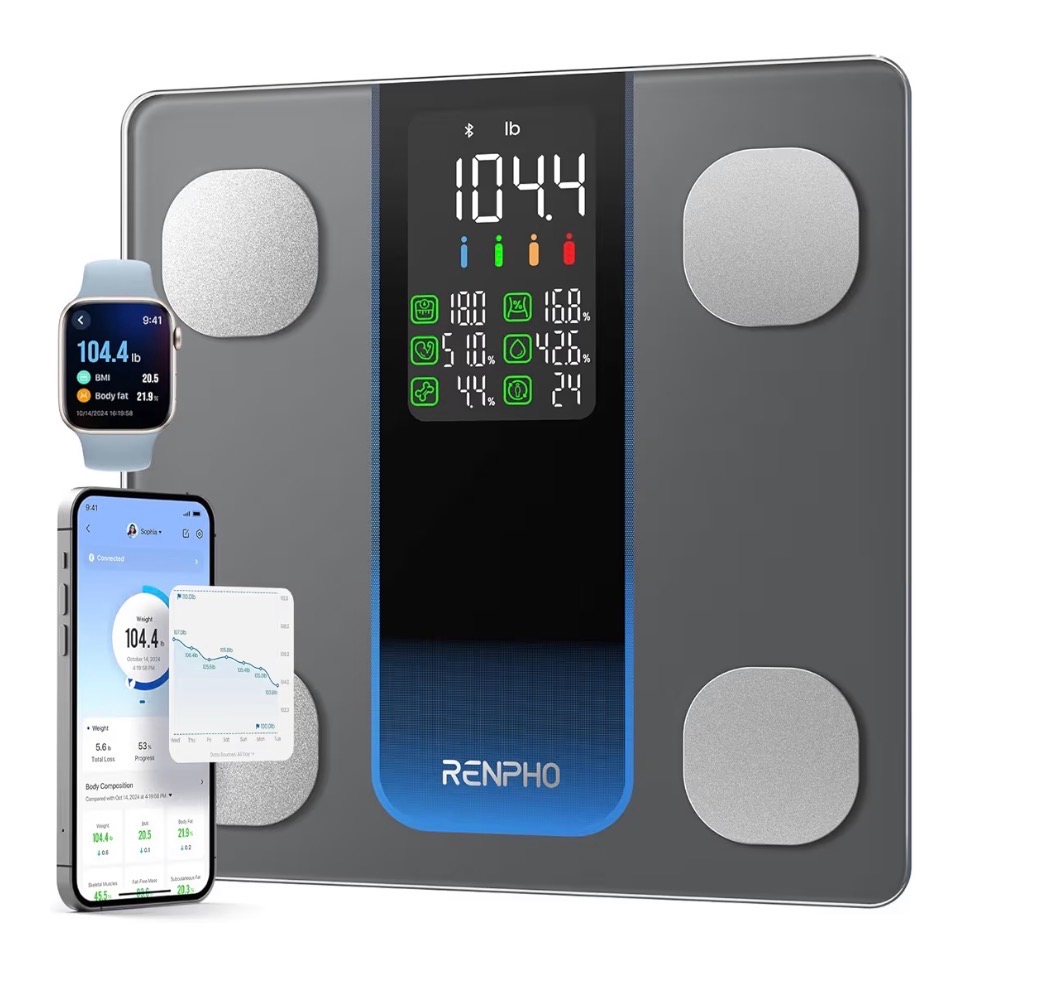
RENPHO Elis 1
Smart body scale tracking body composition trends beyond just weight.
FSA / HSA EligibleSome links are affiliate links, which means I may earn a commission at no additional cost to you. I only share products I personally use and choose to recommend.